by
by If you’re researching microneedling in Lake Mary, FL, you’ve probably already asked Google a dozen questions. This guide consolidates the most common ones I hear from patients — with honest, evidence-based answers drawn from 13+ years of clinical experience and current peer-reviewed research.
No marketing fluff. No upsells. Just clear answers to help you decide whether microneedling is right for you.
Who This Is For
This is for Lake Mary, FL residents (and those in nearby Longwood, Sanford, Heathrow, Altamonte Springs, and Casselberry) who are in research mode and want straight answers to common questions about microneedling before booking a consultation.
What Exactly Is Microneedling?
Microneedling is a minimally invasive cosmetic procedure that uses a device covered in fine, sterile needles to create hundreds of controlled micro-injuries in the skin. These micro-injuries trigger your body’s natural wound-healing response, which includes the production of new collagen and elastin.
The American Academy of Dermatology (AAD) recognizes microneedling as a clinically validated treatment for atrophic acne scars, fine lines, and certain types of hyperpigmentation. The U.S. Food and Drug Administration (FDA) has cleared multiple devices for this use.
The American Society for Dermatologic Surgery (ASDS) calls it “collagen induction therapy” — a more clinical name for the same process.
How Does Microneedling Actually Work?
When the needles penetrate the skin (typically 0.5–2.5 mm depending on the concern), they create controlled damage in the dermis. Your body responds with a three-phase healing cascade:
- Inflammation phase (immediate): Blood flow increases, growth factors are released
- Proliferation phase (days 1–7): Fibroblasts produce new collagen, elastin, and capillaries
- Remodeling phase (weeks to months): New collagen organizes and matures
Published research in the National Institutes of Health PubMed database shows collagen production can increase by up to 200% in treated areas.
Is Microneedling Safe?
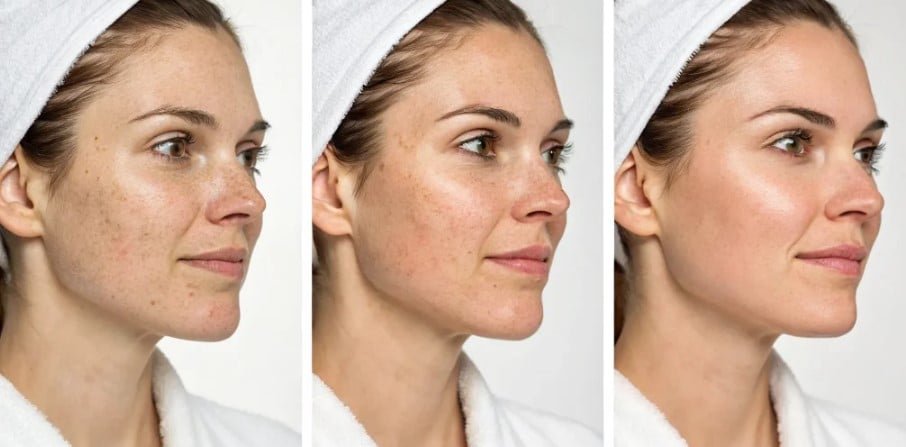
When performed by a trained, experienced provider using sterile technique and FDA-cleared devices, microneedling is considered safe and well-tolerated.
The Mayo Clinic, the Cleveland Clinic, and the AAD all confirm that serious complications are rare when proper protocols are followed.
Common, mild side effects include:
- Redness for 1–3 days
- Mild swelling
- Light flaking
- Temporary dryness or tightness
Serious complications (burns, scarring, infection) are typically the result of improper technique, contaminated equipment, or inadequate aftercare.
Does Microneedling Hurt?
With topical numbing cream applied 20–30 minutes before treatment, most patients describe microneedling as mildly uncomfortable — typically a 3–4 out of 10 on a pain scale.
The sensation is often compared to:
- Light scratching
- A rubber band snapping against the skin
- Sandpaper being gently moved across the face
Deeper treatments (1.5–2.5 mm) for acne scarring are more uncomfortable than shallow cosmetic treatments. The American Society for Laser Medicine and Surgery (ASLMS) notes that newer devices with adjustable speed and needle patterns have significantly reduced discomfort compared to older systems.
How Much Does Microneedling Cost in Lake Mary?
Pricing varies based on needle depth, treatment area, and provider expertise:
| Treatment Type | Per Session | Series Cost (typical) |
|---|---|---|
| Cosmetic Microneedling (face) | $200–$400 | $800–$2,400 |
| Medical Microneedling (acne scars) | $400–$700 | $1,600–$4,200 |
| Small Areas (upper lip, hands) | $150–$300 | $600–$1,800 |
| Body Areas (stretch marks, chest) | $300–$600 | $1,200–$3,600 |
Package pricing typically saves 20–30% versus per-session rates.
The ASDS considers this price range standard for medical-grade microneedling across the United States.
How Many Sessions Will I Need?
Most Lake Mary patients need 4–6 sessions, spaced 4–6 weeks apart, for meaningful results. Some patients with deeper scarring may need 6–8 sessions or combination therapy.
The AAD and the Mayo Clinic both recommend this range. The National Institute of Arthritis and Musculoskeletal and Skin Diseases (NIAMS) emphasizes that collagen remodeling is cumulative — each session builds on the previous one.
Typical timeline:
- Sessions 1–2: Subtle improvements
- Sessions 3–4: Visible, lasting change
- Sessions 5–6: Peak results
- 3–6 months post-series: Continued collagen remodeling
What Concerns Does Microneedling Treat?
Evidence supports microneedling for:
- Atrophic acne scars (rolling, boxcar, mild ice pick)
- Fine lines and early wrinkles
- Enlarged pores
- Uneven skin tone and texture
- Mild hyperpigmentation
- Stretch marks (modest improvement)
- Skin radiance and overall quality
What microneedling does not treat:
- Deep wrinkles in a single session
- Sagging skin (surgical concern)
- Volume loss (filler or fat transfer)
- Active acne (treat acne first)
The Cleveland Clinic confirms this scope of treatment.
Is Microneedling Safe for Darker Skin Tones?
Generally, yes — and often safer than many laser treatments for skin of color.
The Cleveland Clinic and the AAD both note that microneedling carries a lower risk of post-inflammatory hyperpigmentation than most laser and light-based treatments for medium-to-deep skin tones (Fitzpatrick IV–VI).
Important caveat: Technique and device selection must still be adjusted for darker skin. The ASDS recommends finding a provider experienced with treating diverse skin types.
What Should I Do Before Microneedling?
Most Lake Mary providers will give you specific pre-treatment instructions. The standard recommendations include:
- Avoid sun exposure and tanning for at least 2 weeks before treatment
- Discontinue retinoids 5–7 days before (your provider will specify)
- Stop exfoliating acids (AHA, BHA, vitamin C) 5–7 days before
- Stay hydrated in the days leading up
- Arrive with clean skin — no makeup, moisturizer, or sunscreen
- Inform your provider of any medications, especially blood thinners or Accutane
The FDA emphasizes the importance of proper pre-treatment screening for photosensitizing medications.
What Should I Do After Microneedling?
Aftercare is critical — especially in Florida’s climate. The Environmental Protection Agency (EPA) UV Index data shows Central Florida is high-risk for UV exposure year-round.
First 24 hours:
- Cool compresses if needed
- Gentle cleanser only
- Hyaluronic acid serum
- No makeup, retinoids, or active ingredients
- Avoid hot showers, workouts, sweating
- No pools, beaches, or saunas
Days 2–7:
- Mineral SPF 30+ every morning
- Gentle skincare only
- Avoid sun exposure
- Reintroduce active ingredients gradually after day 5
The AAD and the FDA both consider sun avoidance the most important aftercare step.
Can I Wear Makeup After Microneedling?
Wait at least 24 hours — preferably 48 — before applying makeup. Treated skin needs time to begin healing, and makeup (especially foundation) can introduce bacteria to the micro-channels.
The ASDS recommends mineral makeup if you must apply something sooner, but most providers suggest waiting.
When Will I See Results?
Most Lake Mary patients notice subtle improvements within 2–4 weeks of their first session. Visible, lasting results typically appear after 3–4 sessions, with continued improvement for 3–6 months after the final treatment.
The collagen remodeling process is gradual — peak results can take 6 months to fully develop. The Mayo Clinic confirms this timeline.
How Long Do Results Last?
Results can last months to years, depending on:
- Age
- Skin type
- Hormonal status
- Sun exposure habits
- Skincare routine
- Whether maintenance sessions are pursued
The AAD recommends ongoing sun protection and good skincare as the foundation of long-lasting results. Many patients schedule maintenance sessions every 6–12 months.
Can I Combine Microneedling With Other Treatments?
Yes, with appropriate spacing. Common combinations include:
- Chemical peels (alternated every 4–6 weeks)
- PRP (platelet-rich plasma) — applied during or after treatment
- Laser treatments (with careful timing and provider coordination)
- Fillers (timed appropriately, typically several weeks apart)
- Skincare products (post-treatment absorption is enhanced)
The ASLMS has published guidance on safe combination protocols.
Who Should NOT Do Microneedling?
Microneedling is not appropriate for:
- Pregnant or breastfeeding women
- People with active skin infections, eczema, or rosacea in the treatment area
- Patients currently on Accutane (the AAD recommends waiting 6 months after discontinuation)
- People with bleeding disorders or on blood thinners
- Those with a history of keloid scarring
- Patients with active cystic acne (treat the acne first)
The FDA and the ASDS both emphasize proper patient screening before treatment.
How Do I Choose a Provider in Lake Mary?
Look for:
- A real, thorough consultation before treatment
- FDA-cleared devices appropriate for your skin tone
- Sterile, single-use needle cartridges
- An experienced operator (30+ procedures per week is ideal)
- Medical director involvement for medical-depth work
- Transparent pricing
- Real before/after photos of their own patients
- Verifiable reviews on Google and the Better Business Bureau (BBB)
The provider matters more than the device, the price, or the marketing.
What’s the Best Time of Year to Start Microneedling in Lake Mary?
Florida doesn’t have a true “low UV” season, but starting in fall or winter (October through February) makes aftercare easier. Many Lake Mary residents prefer this timing because:
- UV intensity is lower (relatively)
- Less outdoor activity
- Easier to protect healing skin
- Allows most of the series to complete before next summer
The Environmental Protection Agency (EPA) shows our lowest UV months are December and January — though even then, sun protection is non-negotiable.
Frequently Asked Questions
Can I do microneedling at home?
Home microneedling devices (typically 0.25–0.5 mm) exist but cannot match the depth, sterility, or precision of professional treatment. For any meaningful skin concerns, professional treatment is necessary.
Is microneedling covered by insurance?
No. It’s considered a cosmetic procedure and is not covered by health insurance.
What’s the difference between microneedling and dermarolling?
Dermarolling is a manual, older technique with less precision. Modern microneedling devices (pens, automated systems) provide more consistent depth and better results.
Can microneedling remove acne scars completely?
Realistically, no. Meaningful improvement (50–80% for mild-to-moderate scars) is the typical outcome. Complete removal is rare.
Is microneedling safe for sensitive skin?
Generally yes, but depth and technique may need adjustment. Discuss your sensitivity with your provider during consultation.
Medical Disclaimer: This article is for educational purposes only. Individual results vary. Consult a qualified healthcare provider before any cosmetic treatment.
Have More Questions About Microneedling in Lake Mary?
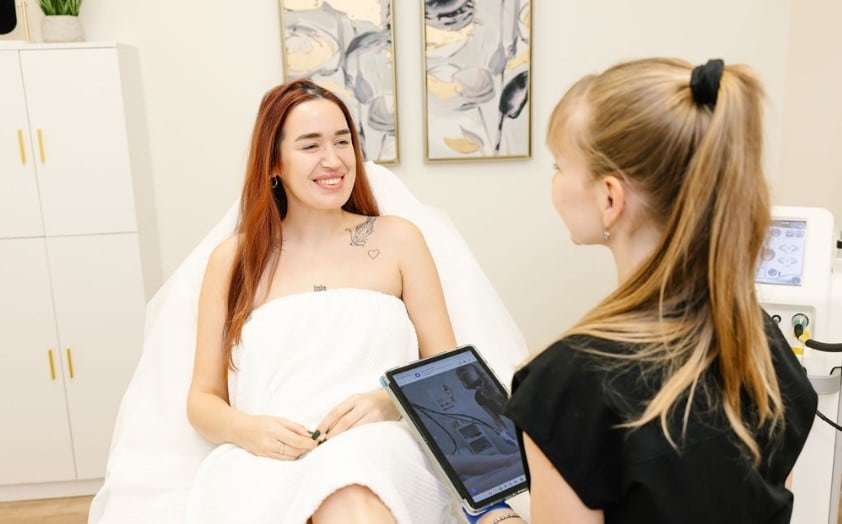
This FAQ covers the most common questions, but every patient’s skin is different. The best way to get answers specific to your situation is a real consultation with a qualified provider.
At Ekaterina Med Spa, we welcome questions — even the ones that feel basic. We work with Lake Mary and Seminole County patients on microneedling plans that respect your concerns, your skin type, and your goals.
👉 If you’re considering professional microneedling in Lake Mary, a consultation can help determine whether the treatment is appropriate for your skin.
Address:
Ekaterina Medspa Lake Mary
725 Primera Blvd, suite 105, Lake Mary, FL, United States, Florida
Phone: (407) 227-4998
About the Author
Yelena Markovich | Licensed Medical Esthetician | 13+ years of experience in microneedling, skin rejuvenation, and patient education in Central Florida.
Medical Reviewer
Dr. Anastasia Volkov, MD | Board-Certified Dermatologist | Reviewed: November 2025
Last Updated: November 2025